
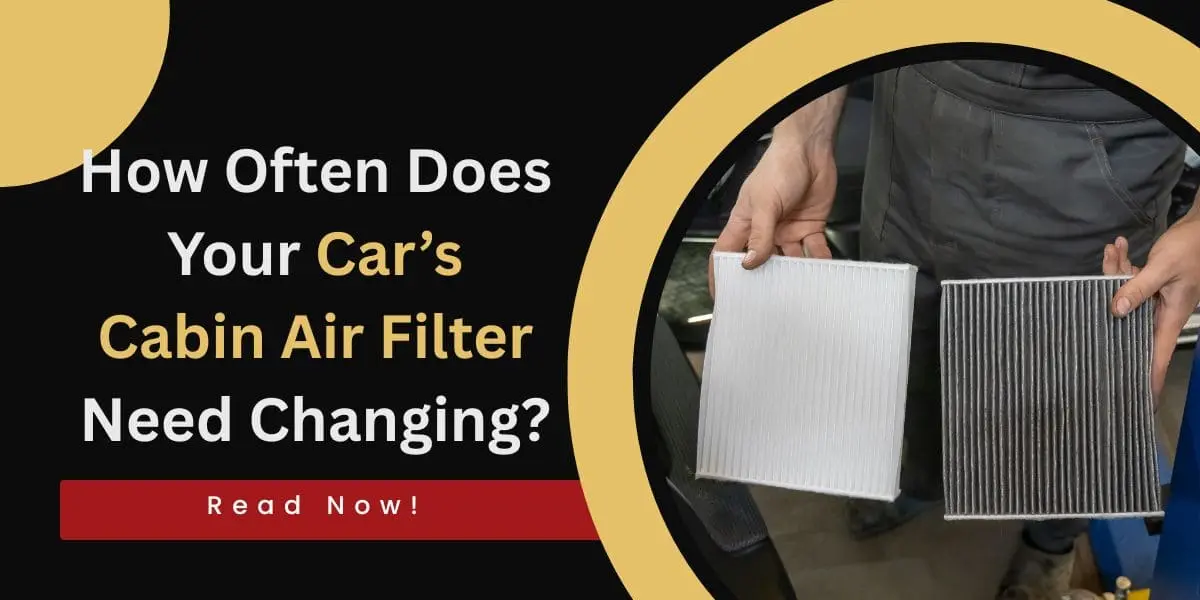
A timely cabin air filter change helps you get a comfortable drive experience as clean airflow circulates inside the cabin. Whether you drive through coastal roads, busy streets or dusty areas, fresh air circulation inside the cabin improves comfort for both driver and passengers. A functional cabin air filter also supports better airflow, fresher cabin air and efficient air conditioning performance.
In this aspect, this blog explores what a cabin air filter is, its types and signs that it needs to be changed.
What Is A Cabin Air Filter?
A vehicle cabin air filter is a small, pleated component of your car’s heating, ventilation and air conditioning (HVAC) system. It removes debris and pollutants from the air entering the interior of the car through heating, ventilation and air conditioning vents. The filter primarily helps to:
1. Remove dust and dirt from incoming air
2. Improve overall cabin air quality
3. Trap pollen and allergens
4. Reduce smoke and pollution particles
5. Support better airflow through the HVAC system
Types of Cabin Air Filters
While replacing a cabin air filter, understanding the different types of filters helps you choose the right option for driving conditions. There are mainly four types of automotive cabin air filters, which are as follows:
1. Particulate Filters
Particulate filters are the standard types of cabin air filters that come preinstalled with many vehicles. These filters are made from layered fibrous materials that trap dust, pollen, dirt and other airborne particles before they enter the cabin. These vehicle air filter replacements help to maintain cleaner airflow through the air conditioning and heating system.
2. Charcoal Filters
Charcoal air cabin filters add an additional layer of filtration when compared with standard particulate filters. The charcoal-based car aircon filter replacement helps to absorb smoke, exhaust fumes and unpleasant odours from the vehicle. At the same time, they are also capable of filtering air by trapping dust and debris.
3. Activated Carbon Filters
The activated carbon filters are an advanced version of the charcoal filters. They are designed to deliver stronger odour and gas absorption. In addition to dust and pollen, these filters can also remove odours and toxic gases such as carbon monoxide from the air being circulated inside the cabin.
You can install them effectively with the help of mechanics in Perth. They may also share a few tips to increase their life span.
4. Electrostatic Cabin Air Filters
The Electrostatic cabin air filters are among the most advanced types of cabin air filters available at auto mechanic shop. These filters use an electrostatic charge to attract and capture tiny airborne particles that may pass through standard filters. These filters are highly effective in filtering fine dust, smoke particles, allergens, odours and pollutants inside the car.
Signs Your Cabin Air Filter Needs Replacing
There are a few indicators of a clogged air filter and paying attention to them can help you prevent driving discomfort.
Some of the common signs that show you need a cabin air filter replacement include:
1. Weak airflow from the vents
2. Increased sneezing or allergy symptoms while driving
3. Musty or unpleasant smells inside the cabin
4. Windows fogging up more frequently
5. Noisy air conditioning operation
6. More dust is entering the interior
If these problems continue even after replacing the filter, it may be time to look for ‘car AC repair near me’ on the web. Next, contact the nearest mechanic to inspect the vehicle’s HVAC system.
Also Read: Car Air Conditioning Repair: Signs, Easy Fixes & DIY Cleaning Tips
How Often Should You Schedule a Cabin Air Filter Change?
The general recommendation for auto air filter replacement is at every 15,000 to 25,000 kilometres of travel. However, the exact replacement interval depends on the driving conditions and environmental factors. For example, cars that are frequently driven through dusty roads and heavy traffic may need to replace the filter sooner than the recommended travelling distance.
How to Replace a Car’s Cabin Air Filter?
The Do-It-Yourself (DIY) car filter replacement requires following a few simple steps. Here’s a quick five-step guide to help you replace your vehicle’s air filter system:
Step 1 – Follow the Owner’s Manual
Your vehicle’s manual includes much more valuable information than the technical specifications. It provides you with details about where the cabin air filter is located and how you can replace it.
Step 2 – Collect Required Tools
To get started, you’ll need a pair of gloves so that you don’t come into contact with dust particles accumulated inside the air filters. In addition, a flathead screwdriver might be needed to pry the compartment open.
Step 3 – Identify the Location of the Cabin Air Filter
Follow all the instructions in the owner’s manual to locate your car’s cabin air filter. It could be located underneath the dashboard or wedged behind the glove box. You may also need to remove a panel or cover to take out the current filter.
Step 4 – Replace Air Filters
Carefully remove your car’s old air filter. Also, be aware that a possible dust release may occur when you take out the component from the air filter housing or airbox. You can dispose of the old air filter in a sealed plastic bag to prevent dust from spreading. Next, mount the new cabin air filter in the compartment with the following instructions given in the owner’s manual or the new filter’s box.
Step 5 – Reassemble the Compartment
Once the cabin air filter change is done, close the compartment by reversing the steps used to open it.
How Much Does a Cabin Air Filter Replacement Cost?
The specific charges of a car’s cabin air filter depend on the filter quality, vehicle model and labour charges. The typical air cabin filter replacement cost is as follows:
| Service Type | Estimated Cost |
|---|---|
| DIY Replacement | $20 – $60 |
| Professional Replacement | $50 – $120 |
Note: Price mentioned here is just a rough estimate, please call us to get accurate costs as per your car make and model.
Why Should You Replace Your Car’s Cabin Through Professionals?
Although the DIY process is a simple step, it may not be beneficial for beginners or cars that have complex systems. Here’s how automotive inspection services can help you with replacing a car air filter:
1. Expert Knowledge
Car air conditioning experts know how to identify the correct cabin air filter for your specific vehicle model. They install the air filter in a proper way and inspect the surrounding HVAC components for signs of damage, dust buildup or airflow issues. Such cross examination from car air conditioning specialists helps to ensure the ventilation system continues to operate efficiently after the replacement of air filters.
2. Saves Time
In some vehicles, replacing a cabin air filter may take longer because it may require the removal of the glove box, dashboard trim or windshield cowl components. In such complex settings, experts like car AC repair Perth can complete the replacement quickly and effectively. This is because they are aware of the cabin air filter replacement process for multiple vehicles.
3. Proper Inspection of the Air Conditioning System
If you are going to purchase a pre-owned vehicle, complete automotive inspection services may also inspect the vehicle’s heating and cooling system to counter any potential issues. They may identify blocked vents, unusual odours, weak airflow or early signs of HVAC wear.
Also Read: Why Does My Car Smell When I Turn on the AC?
Final Thoughts
A car’s air filters are a crucial component for maintaining an optimal airflow and HVAC system. Paying attention to symptoms like unpleasant odour inside the cabin and reducing the airflow of the AC vents indicates that it is time to change the cabin air filter. You can replace the air filter simply by following the owner’s manual and essential tools like gloves and a flathead screwdriver. However, for complex cabin air filter systems, seeking attention from a car AC mechanic is a smart step. By taking the right step, you can get the right output from your car’s interior air circulation system.
FAQ’s
1. Can a dirty cabin air filter affect fuel efficiency?
Answer 1:
Yes, a heavily clogged cabin air filter can make the HVAC system work harder and may cause the system to malfunction. In such situations, you may need a car air conditioning repair service to restore the air circulation.
2. Is there a difference between an engine air filter and a cabin air filter?
Answer 2:
Yes, the two filters serve different purposes in a vehicle. An engine air filter protects the engine from dust and debris, while a cabin air filter cleans the air that enters the passenger compartment.
3. How often to change cabin air filter?
Answer 3:
The typical guideline for a car cabin air filter replacement is at every 15,000 to 25,000 kilometres of travel. Areas with high dust, humidity, pollution or pollen levels may require more frequent filter replacement.
4. Can replacing a cabin air filter during routine inspection improve air conditioner cooling?
Answer 4:
Yes, at the time of routine vehicle inspection Perth, checking and replacing a dusty cabin air filter can help restore proper airflow through the air conditioning vents. This may improve cooling performance and make the cabin feel more comfortable during hot weather.
5. What should I check before buying a new cabin air filter?
Answer 5:
A vehicle check before buying a cabin air filter includes checking your car’s make, model and manufacturer recommendations. Choosing the correct size and filter type ensures proper fitment and effective air filtration.